KMFRI Achieves Testing and Calibration Accreditation, Strengthening Confidence in Kenya's Blue Economy
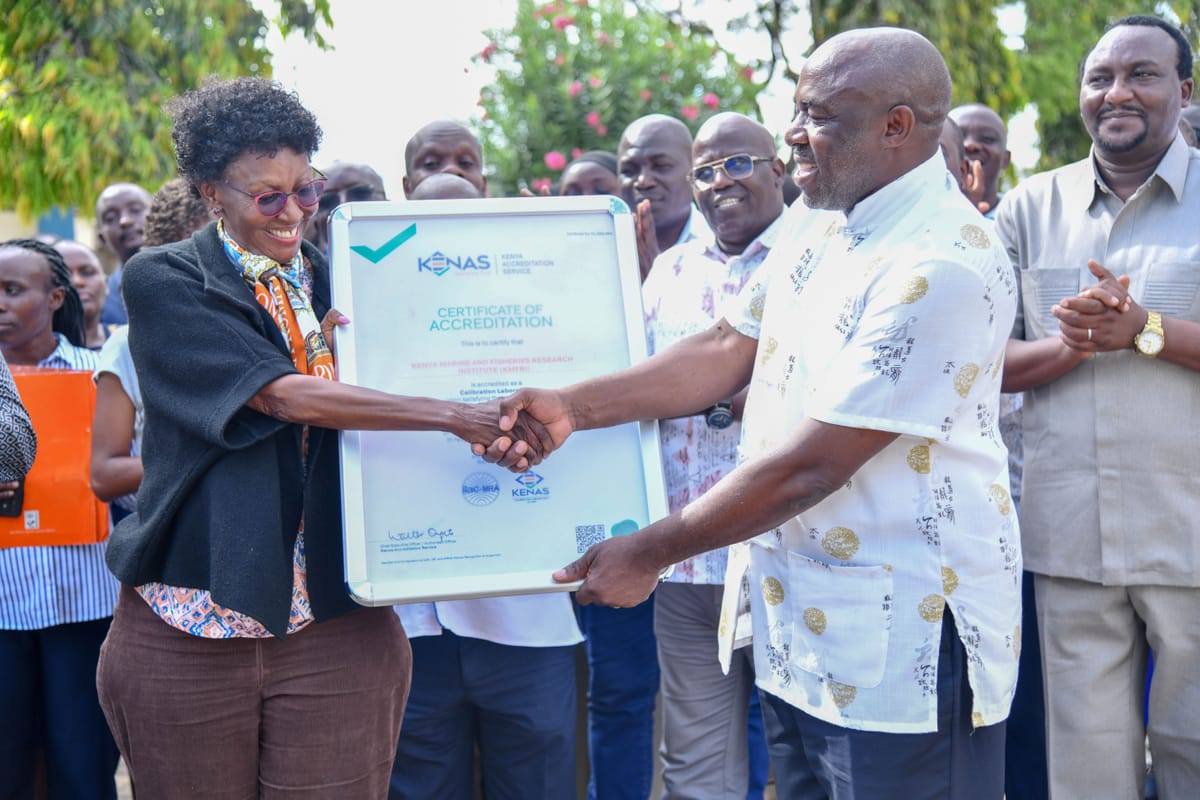
KENAS recognises the Institute's achievement under ISO/IEC 17025:2017, supporting reliable scientific results, marine research and sustainable development.
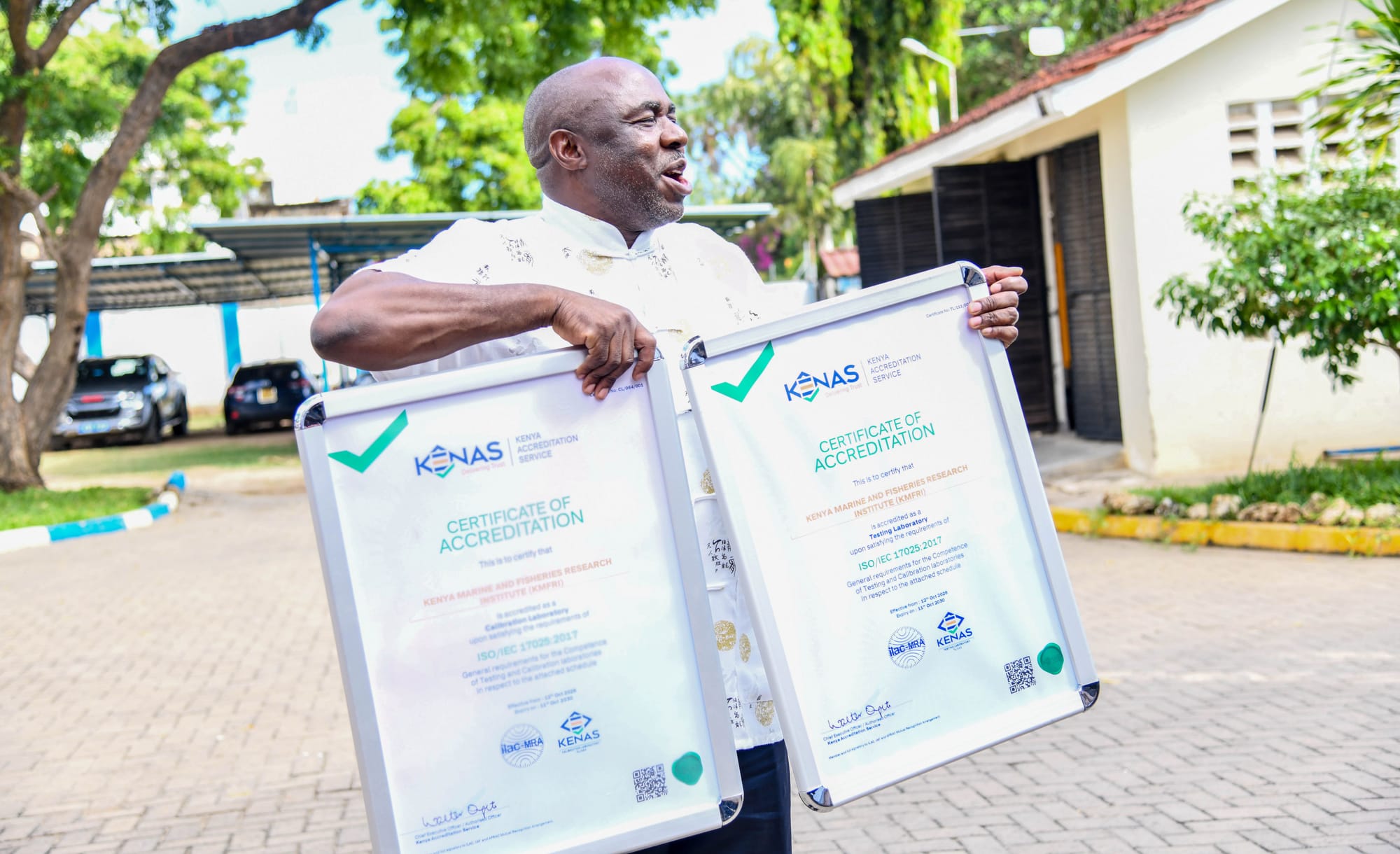
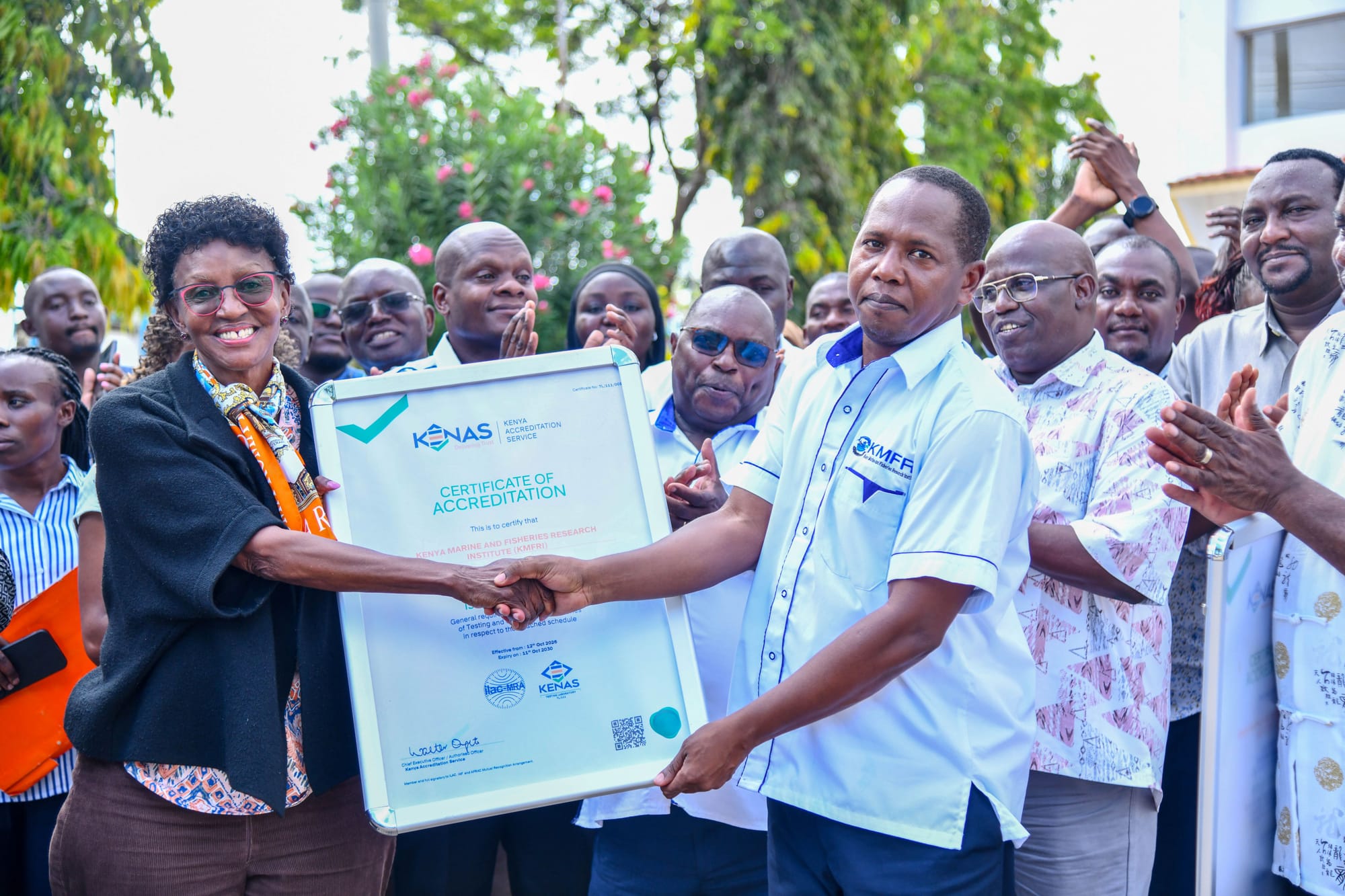
The Kenya Marine and Fisheries Research Institute (KMFRI) has achieved a significant milestone in scientific excellence following its initial accreditation by the Kenya Accreditation Service (KENAS) as both a Testing Laboratory and a Calibration Laboratory under ISO/IEC 17025:2017.
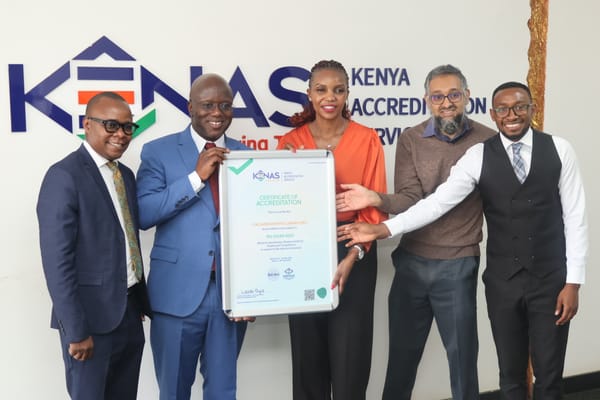
The accreditation covers Chemistry and Microbiology testing, alongside Mass calibration, within the Institute's approved scope. Granted on 12 October 2026, the accreditation was formally celebrated during a ceremonial certificate presentation held at KMFRI Headquarters in Mombasa.
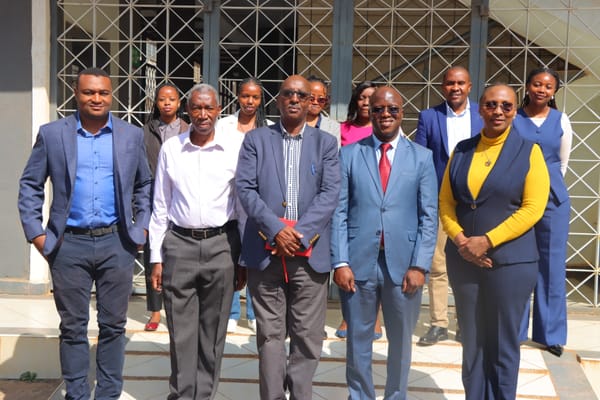
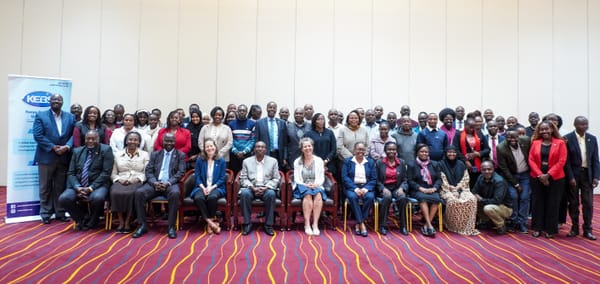
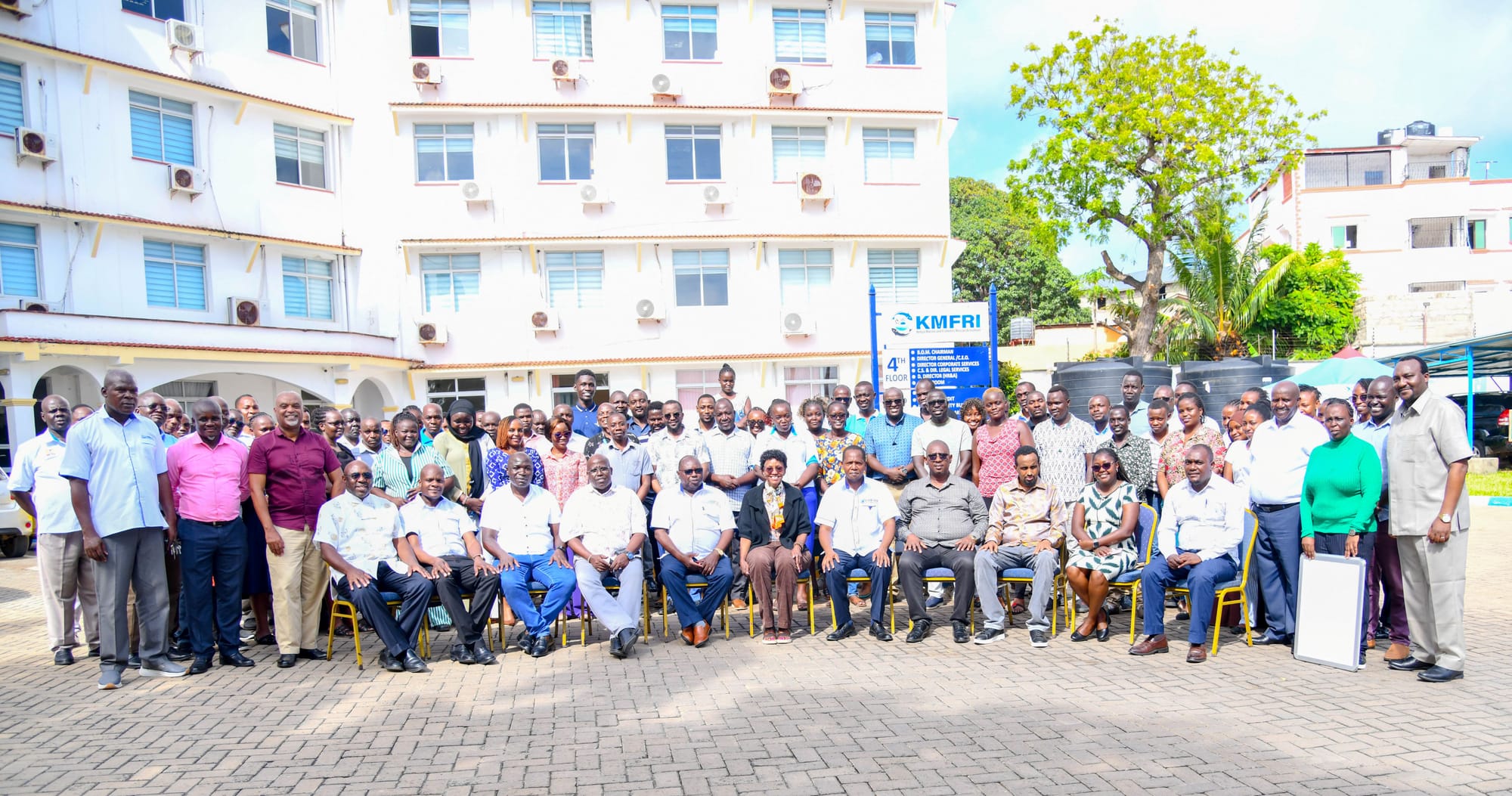
The ceremony brought together KMFRI's Board, Management and technical personnel, led by Board Chairperson Amb. Dr. Wenwa Oranga and Director General Dr. Paul Orina.
KENAS was represented by a delegation led by Mr. Stanslaus Masinza, Deputy Director, Strategy, Business Development and Communication, on behalf of Chief Executive Officer Dr. Walter Ongeti.
Why Testing and Calibration Accreditation Matters
Scientific research and informed decision-making depend on reliable laboratory results.
For an institution such as KMFRI, whose work supports the management and sustainable utilisation of Kenya's marine and fisheries resources, confidence in laboratory competence is particularly important.
Accreditation under ISO/IEC 17025:2017 provides independent confirmation that a laboratory has demonstrated competence to perform specified testing or calibration activities.
In KMFRI's case, the accreditation covers two important functions:
- Testing: Chemistry and Microbiology testing within the approved scope, supporting confidence in the laboratory's analytical results.
- Calibration: Mass calibration within the approved scope, supporting confidence in measurement accuracy and the reliability of relevant measuring equipment.
Together, these capabilities strengthen the technical foundation upon which credible research, quality assurance and evidence-based decisions can be supported.
Supporting Kenya's Blue Economy
Kenya's marine and fisheries resources contribute to food security, livelihoods, environmental sustainability and economic development.
Reliable scientific information is essential for understanding these resources, monitoring their condition and informing decisions about their sustainable management.
Through its accredited laboratory activities, KMFRI is better positioned to demonstrate the technical competence underpinning specified testing and calibration services.
This strengthens confidence among researchers, regulators, industry stakeholders and other users of laboratory results.
The achievement also contributes to Kenya's broader quality infrastructure, which supports product quality, consumer protection, industrial competitiveness and trade.
Accreditation Is a Continuing Commitment
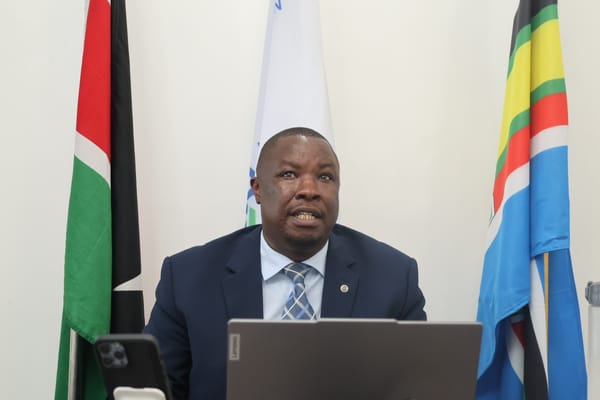
Speaking on behalf of KENAS CEO Dr. Walter Ongeti, Mr. Masinza congratulated KMFRI's Board, Management and laboratory personnel for their commitment to technical competence and quality.
He emphasised that accreditation should be understood not simply as the attainment of a certificate, but as a continuing responsibility to maintain reliable laboratory operations.
"The true value of accreditation is not in the certificate displayed on the wall, but in the confidence that stakeholders can place in the results produced by the laboratory every day."
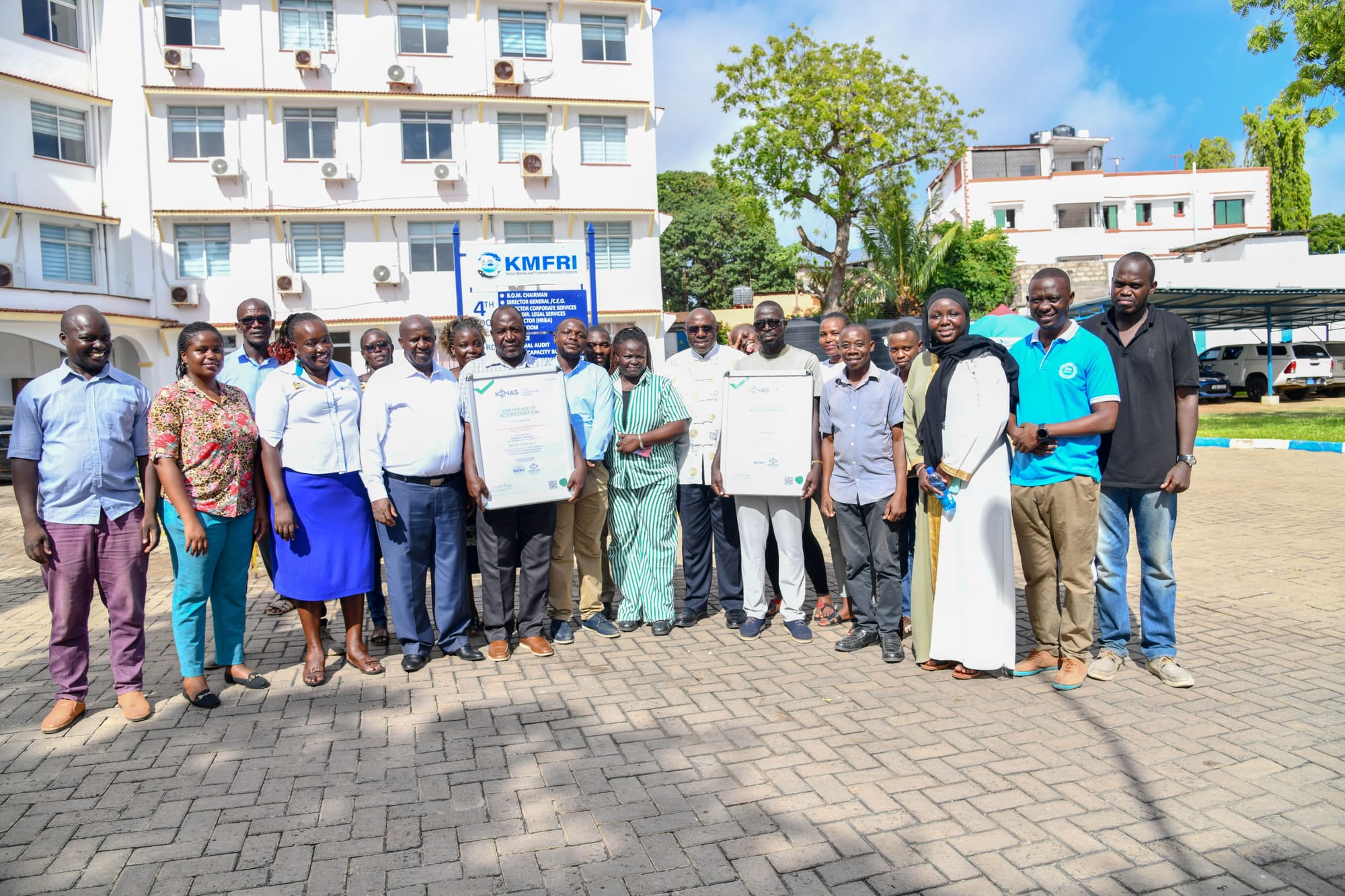
The CEO's remarks also recognised the contribution of KMFRI's 25 technical personnel to the accreditation achievement.
Having successfully completed the initial accreditation process, the Institute is expected to maintain its demonstrated competence through continual improvement and subsequent surveillance assessments.
Opportunities for Further Growth
KENAS encouraged KMFRI to build upon its achievement by strengthening staff competence and considering additional testing and calibration activities for future scope extension, subject to the applicable accreditation requirements.
Expanding accredited capabilities, where supported by technical readiness, could enhance KMFRI's contribution to scientific research, partnerships and the development of Kenya's Blue Economy.
KENAS also reaffirmed its commitment to supporting capacity development through training in ISO/IEC 17025 implementation, internal auditing, method validation and measurement uncertainty.
The Institute's achievement demonstrates how accreditation can strengthen confidence in scientific services and contribute to national development.
For KENAS, accreditation is ultimately about ensuring that laboratory results can be trusted, decisions can be informed by credible evidence and institutions can deliver services with demonstrated technical competence.
As KMFRI begins this new chapter, its accreditation provides a foundation for continued improvement, expanded technical capabilities and greater confidence in the scientific results supporting Kenya's marine and fisheries sector.