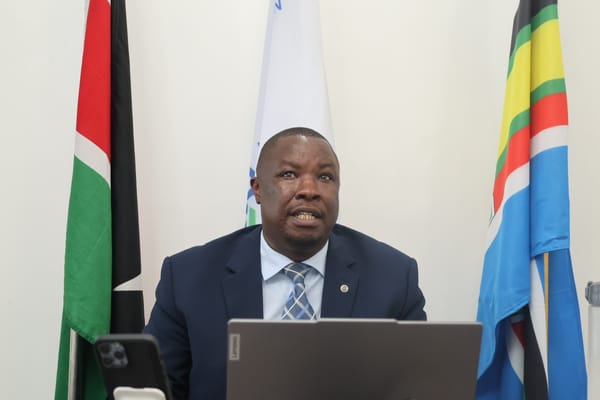
From Soil Health to Animal Health: Why Accreditation Matters to Kenya's Agriculture
From soil fertility and crop health to livestock disease management, reliable laboratory results are essential to Kenya's agricultural development. Discover how KENAS and KALRO are exploring expanded accreditation to strengthen laboratory competence and confidence in agricultural research.
What connects a farmer seeking to improve soil fertility, a livestock producer concerned about animal diseases and a researcher developing improved crop varieties? The need for reliable scientific information.
Across Kenya's agricultural sector, laboratory results inform decisions that influence crop productivity, livestock health, food safety and livelihoods. From soil analysis to disease investigations, the accuracy and reliability of testing can make a significant difference in agricultural outcomes.
But how can those relying on laboratory results be confident that the testing has been undertaken competently?
This is where accreditation makes a difference.
Recognising the importance of reliable laboratory services, the Kenya Agricultural and Livestock Research Organisation (KALRO) is exploring opportunities to expand accreditation across its laboratory operations through engagement with the Kenya Accreditation Service (KENAS).
From Agricultural Research to Reliable Results
KALRO plays a central role in advancing Kenya's agricultural and livestock development through research, innovation and technology development.
With a nationwide network of research institutes and centres, its work spans crop improvement, soil management, agricultural mechanisation, animal health and disease management.
These include specialised institutions such as the Coffee Research Institute in Ruiru and the Veterinary Science Research Institute in Muguga, alongside other research centres supporting different agricultural disciplines.
Behind many of these activities are laboratory services that generate scientific information used by farmers, researchers, regulators and industry.
For instance, soil testing can inform fertiliser recommendations, while laboratory investigations can support the identification of crop and livestock diseases. Animal feed analysis can also provide information that supports livestock nutrition and productivity.
The value of these services depends significantly on the reliability of the results they produce.
Why Accreditation Matters to Kenya's Agriculture
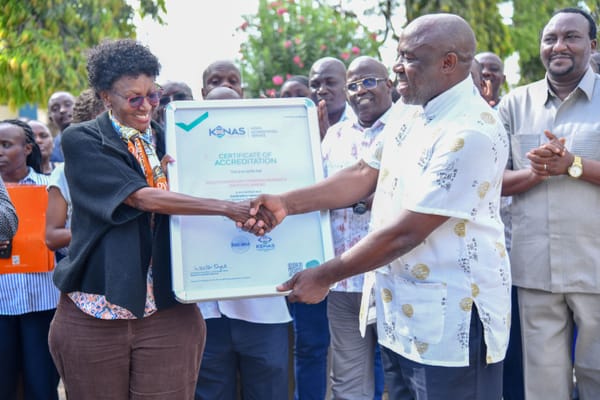
Accreditation provides independent recognition that a laboratory has demonstrated competence to undertake specified testing activities in accordance with applicable international standards.
For testing laboratories, ISO/IEC 17025 establishes requirements for competence, impartiality and consistent operation.
Through accreditation, laboratories demonstrate that they have the necessary technical personnel, equipment, testing methods and management systems to consistently produce technically valid results.
The benefits extend across the agricultural value chain.
- Farmers can make better-informed decisions on soil fertility, crop management and agricultural productivity.
- Livestock producers can rely on technically sound testing to support animal nutrition and disease management.
- Researchers benefit from dependable laboratory information that supports scientific investigations and innovation.
- Regulators and policymakers can use credible testing evidence to inform agricultural interventions.
- Agricultural businesses can benefit from reliable testing that supports product quality, compliance with market requirements and trade.
Where relevant international recognition arrangements apply, accredited laboratory results may also benefit from wider acceptance across markets, helping reduce unnecessary duplication of testing and technical barriers to trade.

KENAS and KALRO Explore Expanded Accreditation
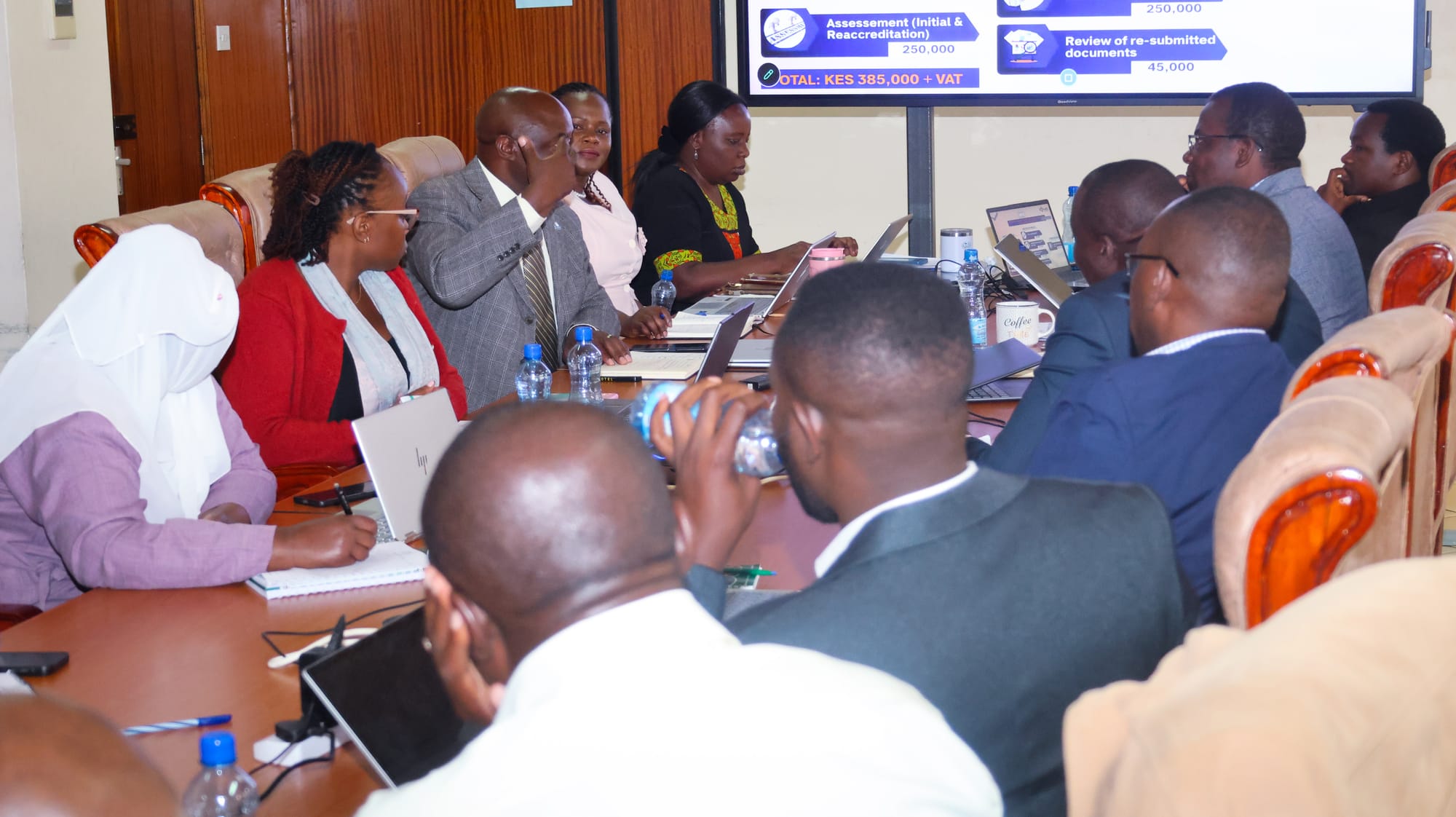
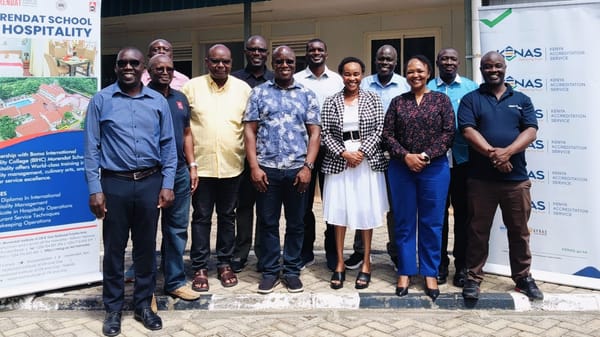
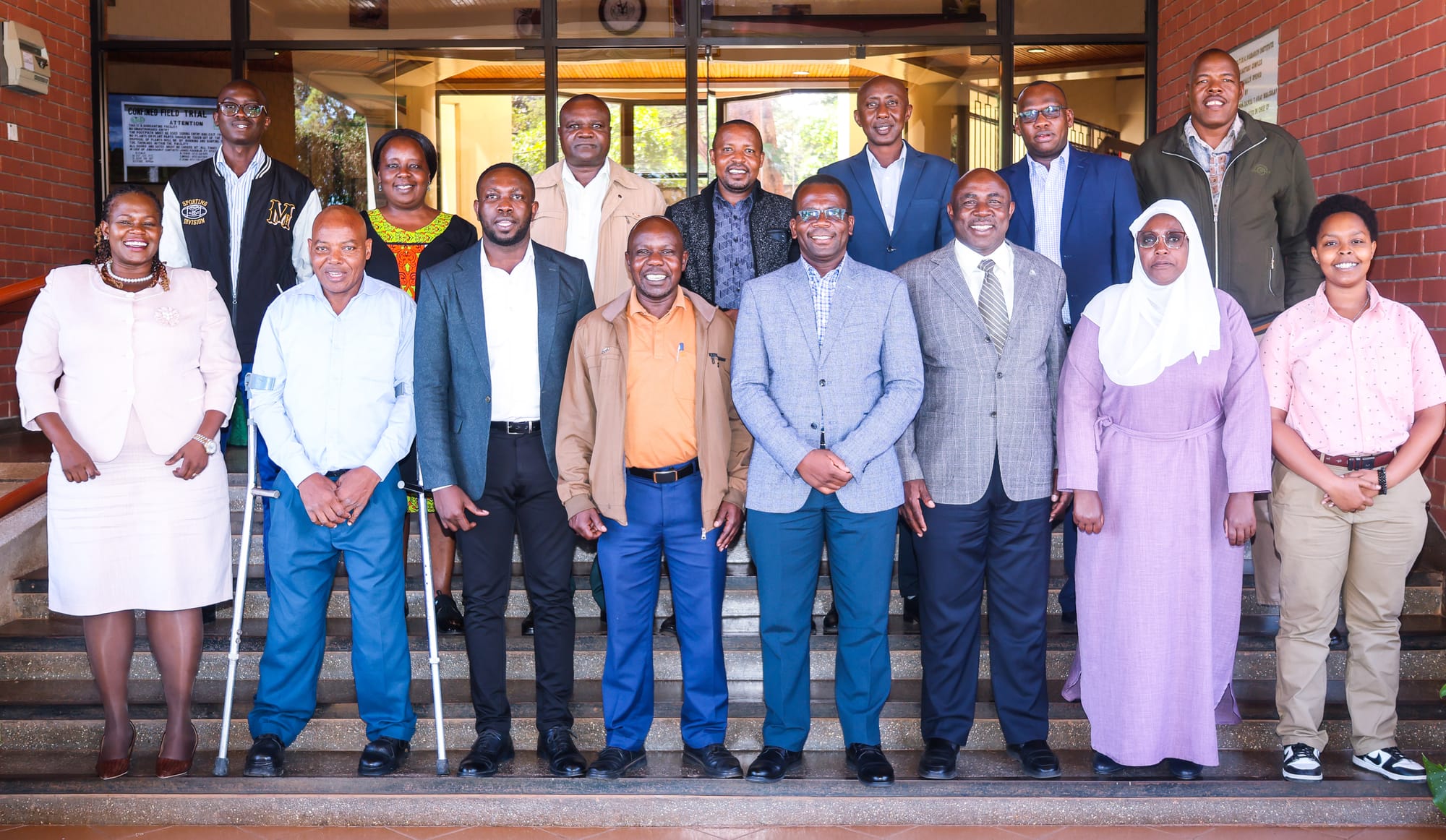
Against this background, KENAS held an engagement with KALRO at its headquarters on 10 November 2026 to explore opportunities for expanding accreditation across the organisation's laboratory network.
During the meeting, KALRO outlined its mandate, research activities and nationwide operations, highlighting the diverse roles played by its research centres and laboratories.
KENAS provided an overview of its mandate, available accreditation schemes, applicable standards and the requirements involved in the accreditation process.
Discussions focused on demonstrating technical competence, maintaining effective management systems and consistently producing reliable laboratory results.
KALRO expressed its commitment to pursuing accreditation in relevant areas, with the intention of progressively expanding its accreditation coverage as the process advances.
The engagement highlighted the importance of strengthening laboratory competence across different agricultural research disciplines.
Building a Culture of Quality and Continual Improvement
Accreditation is more than obtaining a certificate. It involves an ongoing commitment to technical competence, consistent laboratory operations and continual improvement.
For institutions operating multiple laboratories, the process can be undertaken progressively, beginning with selected testing activities and expanding as additional laboratories and scopes meet the applicable requirements.
KALRO's expressed commitment to pursuing accreditation reflects the importance of embedding quality practices within its laboratory operations and strengthening confidence in the services supporting agricultural research.
For KENAS, the engagement reinforces its role in promoting internationally recognised accreditation and supporting institutions seeking to demonstrate technical competence.
As Kenya advances its agricultural development, food security and industrialisation ambitions, reliable scientific information will remain essential to informed decisions, innovation and competitiveness.
From the soil that sustains our crops to the health of the livestock that supports our livelihoods, reliable laboratory results matter.
Accreditation provides an internationally recognised framework for demonstrating the competence behind those results, helping build confidence in the scientific services that support Kenya's agricultural future.