Exploring Quality Assurance Solutions for Kenya's Fisheries Value Chain
Fish and fish products pass through multiple stages before reaching consumers—from harvesting and landing to handling, processing, transportation, and marketing. Ensuring quality, safety, and traceability at every stage of this value chain is critical to protecting consumers, supporting sustainable fisheries, and enhancing market access.
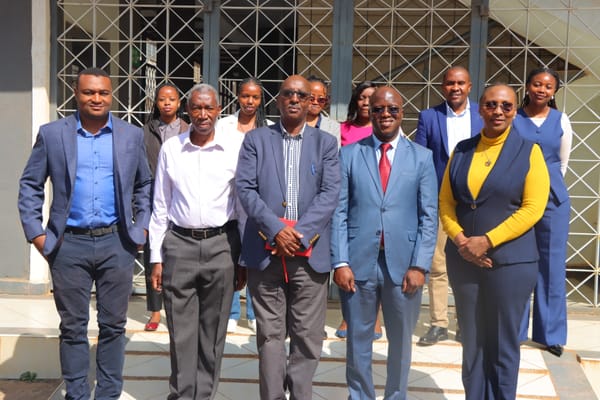
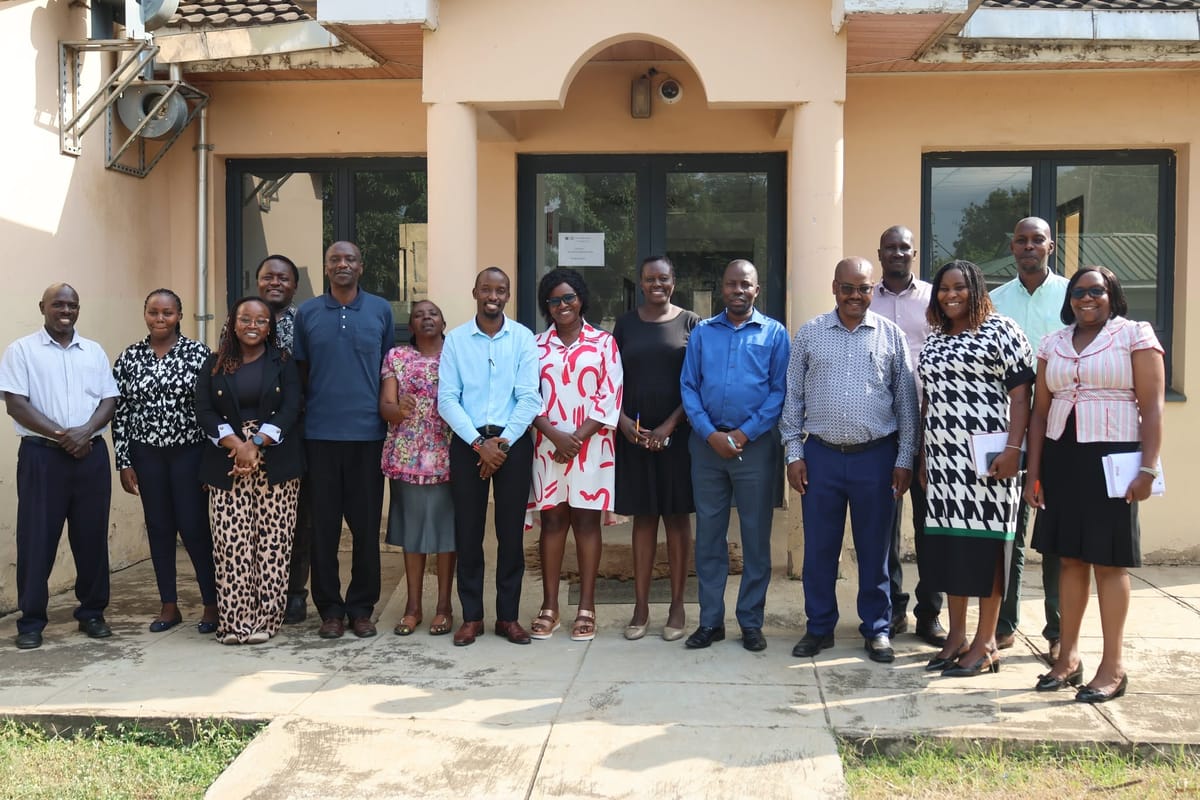
It is against this backdrop that the Kenya Accreditation Service (KENAS) engaged the Kenya Fisheries Service (KeFS) to explore opportunities for collaboration in advancing conformity assessment activities and developing quality assurance solutions tailored to the needs of Kenya's fisheries sector.
The discussions focused on how conformity assessment can strengthen controls across the fisheries value chain, from fishing activities and landing sites to handling, processing, and distribution. Robust quality assurance mechanisms can help enhance compliance with regulatory requirements, improve traceability, and build confidence in fish and fish products among consumers, regulators, and trading partners.
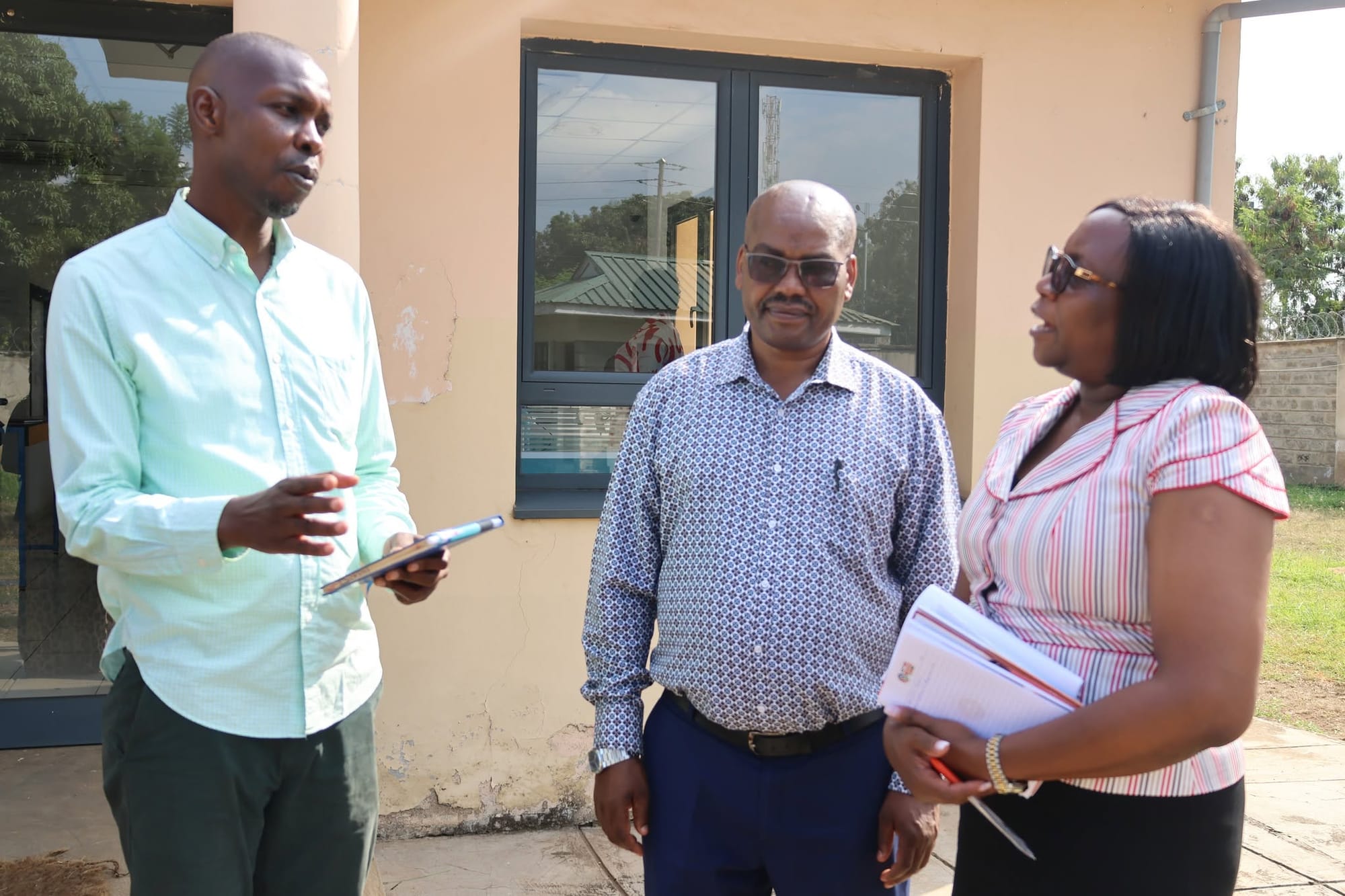
A key area of discussion was the potential development of Kenya-centric conformity assessment schemes that respond to the unique needs of the fisheries sector. Such schemes could support quality and safety assurance across different stages of the value chain, including fish handling practices, processing operations, cold chain management, traceability systems, and other critical activities that influence product quality and market acceptance.
As Kenya advances its Blue Economy agenda, conformity assessment tools such as accreditation, certification, inspection, and testing have an increasingly important role to play in supporting sustainable fisheries and facilitating trade. Independent assurance of quality and compliance can help strengthen confidence in locally produced fish and fish products while supporting access to regional and international markets.
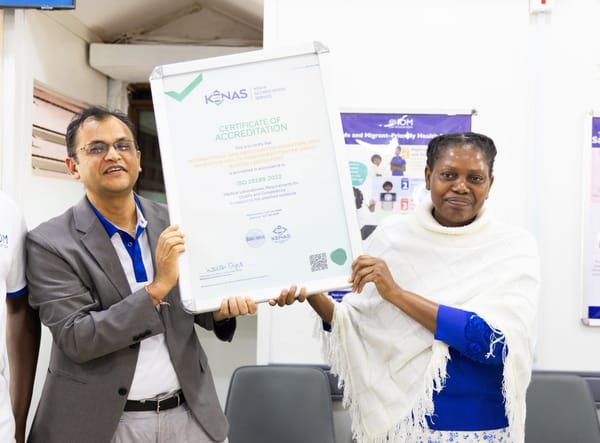
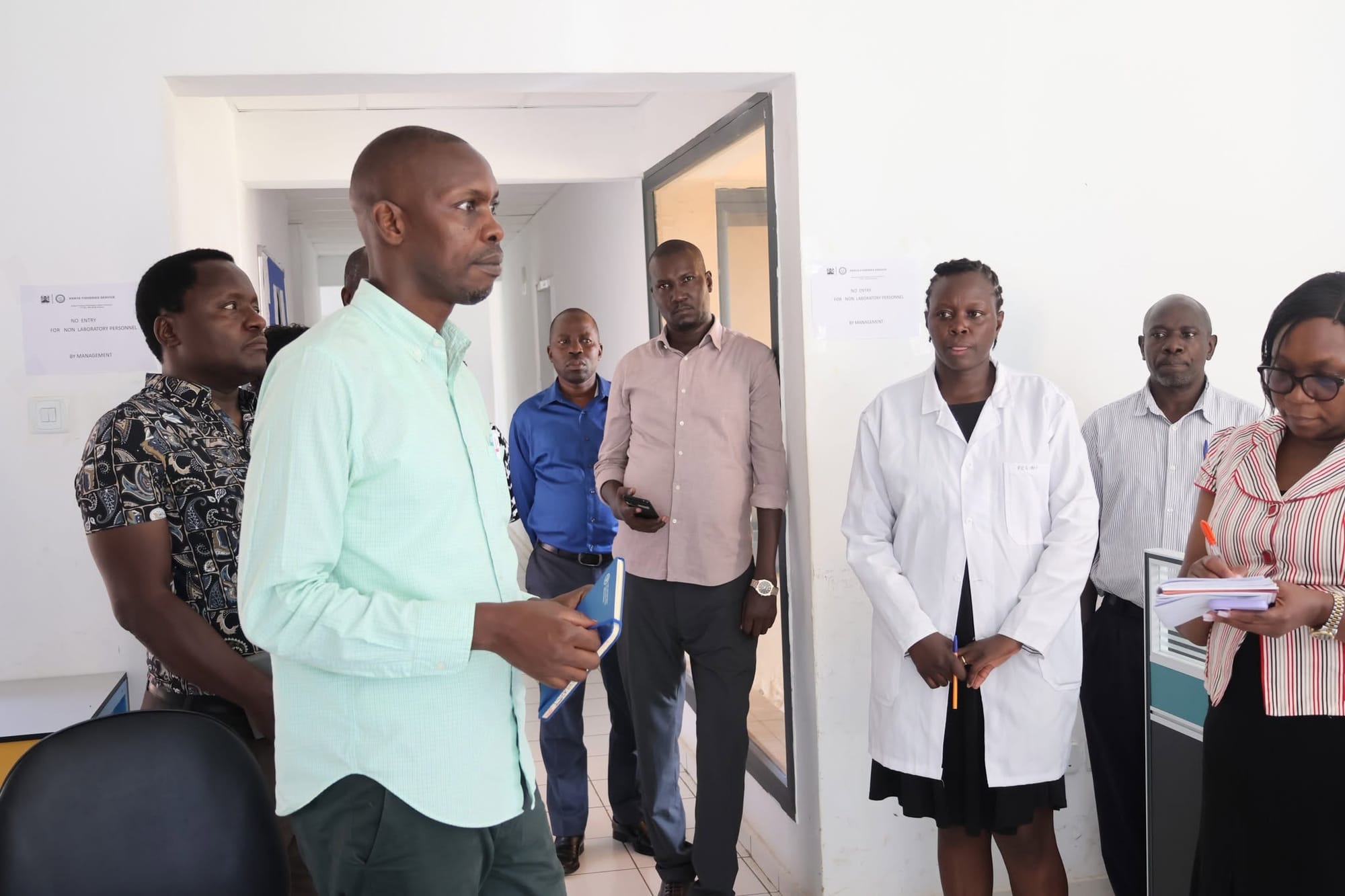
The engagement also highlighted opportunities to strengthen technical capacity within the sector through laboratory accreditation. Reliable testing is essential in verifying product quality, monitoring food safety requirements, and supporting regulatory oversight. Accreditation of fisheries testing laboratories helps ensure that test results are accurate, reliable, and internationally recognized, thereby enhancing confidence in decisions based on those results.
In addition, the discussions explored how collaboration between KENAS and KeFS could contribute to the development of practical quality solutions that support industry growth while addressing national priorities in food safety, consumer protection, sustainability, and trade competitiveness.
Through partnerships with sector stakeholders, KENAS continues to promote quality infrastructure solutions that support innovation, strengthen confidence in products and services, and contribute to Kenya's socio-economic development. The engagement with KeFS marks an important step towards exploring mechanisms that can enhance quality assurance throughout the fisheries value chain and support the growth of Kenya's Blue Economy.